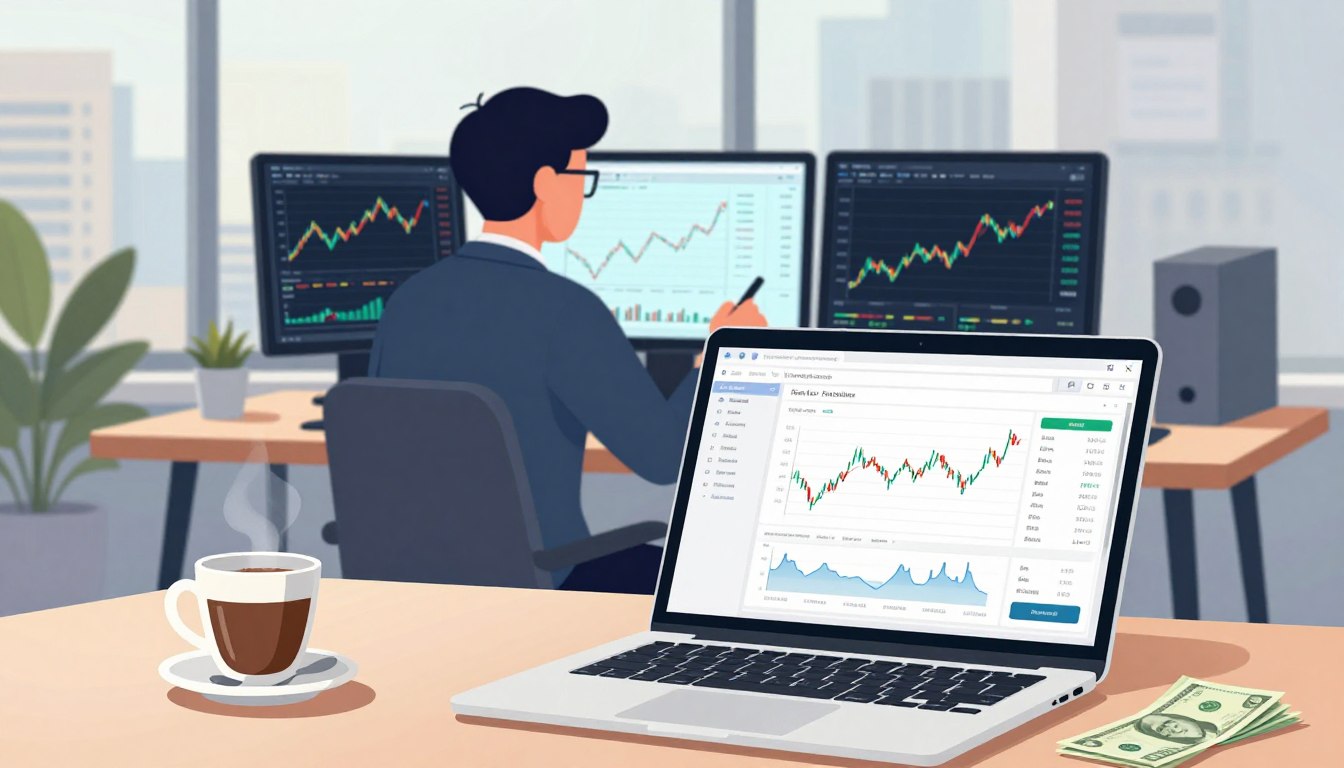
Are you ready to unlock the potential of the global currency market? Can a beginner really succeed in forex trading? The answer is yes, with the right guidance.
Embarking on a step-by-step journey can make the complex world of forex trading accessible. This article is designed to walk you through the basics, providing a solid foundation for your trading endeavors.
By the end of this journey, you’ll be equipped with the knowledge to start trading confidently. Let’s get started!
Key Takeaways
- A clear understanding of the forex market basics
- A step-by-step guide to getting started with trading
- Essential knowledge for making informed trading decisions
- Tips for managing risk and avoiding common pitfalls
- An introduction to key trading strategies for beginners
Understanding the Forex Market Fundamentals
Embarking on a forex trading journey requires a solid grasp of the market’s fundamentals. As a beginner, understanding these basics is crucial for navigating the complexities of the forex market.
What is Forex Trading?
Forex trading, or foreign exchange trading, involves the exchange of currencies on a global scale. It’s a global marketplace where currencies are traded in pairs, allowing traders to speculate on the fluctuations in exchange rates.
The Global Currency Market Structure
The forex market is a decentralized market, meaning it’s not controlled by a single entity. It’s a network of banks, brokers, and individual traders operating across different time zones.
Major Currency Pairs Explained
Currency pairs are the foundation of forex trading. Major pairs, such as EUR/USD, USD/JPY, and GBP/USD, are the most traded and offer liquidity and tighter spreads. Understanding these pairs is a key part of any forex trading guide for beginners.
By grasping these forex basics for beginners, traders can better navigate the market and make informed decisions.
Setting Up for Success: Essential Tools and Resources
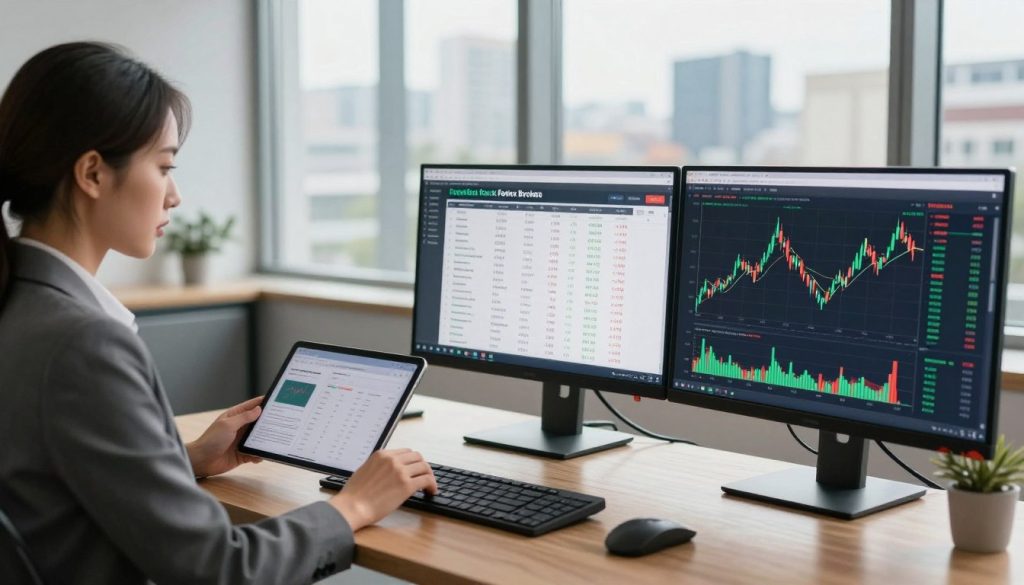
Setting up for success in the forex market requires a combination of the right broker, trading platform, and educational materials. To start your forex trading journey, you need to be equipped with the essential tools and resources that can help you make informed decisions.
Choosing a Reliable Forex Broker
Selecting a reliable forex broker is a critical step in your trading journey. A good broker provides a stable trading environment, competitive spreads, and excellent customer service. When choosing a broker, consider factors such as regulatory compliance, account types, and customer support.
Trading Platforms and Software
A trading platform is the software that enables you to execute trades. Popular platforms include MetaTrader 4 and 5, known for their user-friendly interfaces and advanced features. When selecting a trading platform, consider the types of analysis tools and order types it supports.
Educational Resources Worth Exploring
Education is key to successful forex trading. Utilize online resources such as webinars, e-books, and trading guides to improve your knowledge. Many brokers also offer educational materials and demo accounts to help you practice trading.
| Resource | Description | Benefit |
|---|---|---|
| Webinars | Live or recorded sessions on trading strategies | Interactive learning experience |
| E-books | Comprehensive guides on forex trading | In-depth knowledge on various topics |
| Demo Accounts | Practice trading with virtual money | Risk-free environment to test strategies |
By leveraging these essential tools and resources, you can enhance your trading skills and increase your chances of success in the forex market.
Forex Trading for Beginners Step by Step: Getting Started
Embarking on your Forex trading journey can be both exciting and intimidating, but with a clear step-by-step guide, beginners can set themselves up for success. The first step involves preparing your trading environment, which includes choosing a reliable broker and understanding the trading platform.
Creating and Funding Your Trading Account
To start, you’ll need to create and fund a trading account. This involves selecting a reputable Forex broker, filling out the registration form, and depositing funds into your account. Ensure your broker is regulated and offers a user-friendly platform.
Navigating Your Trading Platform
Once your account is set up, navigate your trading platform to understand its features. Familiarize yourself with the interface, including charts, technical indicators, and order execution tools.
Understanding Order Types
It’s crucial to understand different order types, such as market orders, limit orders, and stop-loss orders. Each serves a unique purpose in managing your trades.
Executing Your First Demo Trades
Before risking real money, practice with demo trades. This allows you to get comfortable with the platform and test your trading strategies without financial risk.
Decoding Forex Terminology and Concepts
To succeed in Forex trading, it’s essential to grasp the fundamental terminology and concepts that drive the market. Understanding these terms will help you navigate the complex world of currency trading with confidence.
Pips, Lots, and Leverage Explained
A pip is the smallest unit of price movement in Forex trading, representing a change in the exchange rate. A lot refers to the quantity of currency being traded, with standard lots being 100,000 units of the base currency. Leverage allows traders to control larger positions with a smaller amount of capital, amplifying potential gains and losses.
- A pip is typically the fourth decimal place in most currency pairs.
- Lots can vary in size, including mini, micro, and nano lots.
- Leverage is expressed as a ratio, such as 50:1 or 100:1.
Bid/Ask Prices and Spreads
The bid price is the price at which you can sell a currency pair, while the ask price is the price at which you can buy. The difference between these two prices is known as the spread, which is a key cost of trading Forex.
For example, if the bid price for EUR/USD is 1.1000 and the ask price is 1.1005, the spread is 0.0005, or 5 pips.

Understanding Margin and Margin Calls
Margin is the amount of money required to open a leveraged position, acting as collateral for the trade. A margin call occurs when the account balance falls below the required margin level, necessitating either depositing more funds or closing positions to reduce the margin usage.
- Margin levels are critical to managing risk in leveraged trading.
- Margin calls can result in the automatic closure of trades if not addressed.
By understanding these key Forex terminology and concepts, beginners can better navigate the complexities of the Forex market and make more informed trading decisions.
Risk Management: Protecting Your Investment
As a beginner in forex trading, understanding and implementing robust risk management strategies is crucial for protecting your investments. Effective risk management enables you to navigate the volatile forex market with confidence, minimizing potential losses and maximizing gains.
The 1% Rule and Position Sizing
A fundamental principle of risk management in forex trading is the 1% rule, which advises traders not to risk more than 1% of their trading capital on a single trade. This strategy helps in surviving unfavorable market conditions. Position sizing is another critical aspect, as it determines the amount of capital to be invested in a trade, based on the risk level you’re comfortable with.
Setting Proper Stop Losses
Setting a stop loss is a technique used to limit potential losses by automatically closing a trade when it reaches a certain price level. It’s essential to set stop losses at a level that gives your trade enough room to fluctuate without being stopped out prematurely.
Emotional Discipline in Trading
Emotional discipline is vital in forex trading. Fear and greed can lead to impulsive decisions, potentially resulting in significant losses. Sticking to your trading plan and maintaining emotional control can help you make more rational, less emotional decisions.
Common Beginner Mistakes to Avoid
Beginners often make mistakes such as over-leveraging their accounts, failing to set stop losses, and not having a clear trading plan. Being aware of these common pitfalls can help you avoid them, ensuring a more stable and successful trading experience.
By incorporating these risk management strategies into your forex trading strategies for beginners, you can significantly enhance your potential for long-term success in the forex market.
Analyzing the Forex Market
To navigate the forex market effectively, analysis is key. Whether you’re a beginner or an experienced trader, understanding the market’s dynamics is crucial for making informed decisions.
Introduction to Technical Analysis
Technical analysis involves studying charts and patterns to predict future price movements. It’s based on the idea that historical price actions can indicate future trends.
Key Chart Patterns include trends, reversals, and continuations. Familiarizing yourself with these patterns can help you identify potential trading opportunities.
Key Chart Patterns and Indicators
Some essential chart patterns include head and shoulders, double tops, and triangles. Indicators like Moving Averages and Relative Strength Index (RSI) can also provide valuable insights.

Fundamental Analysis Basics
Fundamental analysis focuses on economic indicators, news, and events that can impact currency values. It’s about understanding the underlying factors driving the market.
“The key to successful trading is to have a deep understanding of the market and its underlying forces.”
Economic Indicators That Move Markets
Economic indicators such as GDP, inflation rates, and employment figures can significantly influence currency prices. Staying informed about these indicators can help you anticipate market movements.
By combining technical and fundamental analysis, you can develop a comprehensive view of the forex market, enhancing your trading decisions.
Developing Your First Forex Trading Strategy
A well-defined trading strategy is the backbone of any successful forex trading journey. As you begin your trading career, it’s essential to understand the different approaches you can take.
Day Trading vs. Swing Trading vs. Position Trading
Forex trading encompasses various styles, including day trading, swing trading, and position trading. Day trading involves making multiple trades within a single day, while swing trading focuses on holding positions for a shorter term, typically a few days. Position trading, on the other hand, involves holding positions for an extended period.
| Trading Style | Duration | Characteristics |
|---|---|---|
| Day Trading | Intraday | Multiple trades, high frequency |
| Swing Trading | Few days | Moderate frequency, trend following |
| Position Trading | Extended | Low frequency, long-term focus |
Creating a Simple Trading Plan
A trading plan outlines your goals, risk tolerance, and strategies. It’s crucial for maintaining discipline and achieving success in forex trading.
Setting Realistic Profit Targets
Setting achievable profit targets is vital. It helps in maintaining a realistic outlook and avoiding unnecessary risks.
Transitioning from Demo to Live Trading
Once comfortable with a demo account, transitioning to live trading requires careful consideration. Start with small positions and gradually increase exposure.
Conclusion: Your Ongoing Forex Journey
Embarking on a forex trading journey can be both exciting and intimidating, especially for beginners. Through this step-by-step guide, you’ve gained a comprehensive understanding of forex trading, from understanding market fundamentals to developing your first trading strategy.
As you continue on your forex trading for beginners step by step journey, remember that practice and patience are key. Utilize the knowledge and tools acquired to refine your trading skills. The path to becoming a proficient trader is ongoing, and staying committed to your goals is crucial.
This beginner’s guide to forex trading has provided a solid foundation. Now, it’s essential to stay updated with market trends, analyze your performance, and adjust your strategies accordingly. With persistence and dedication, you’ll navigate the forex market with confidence.